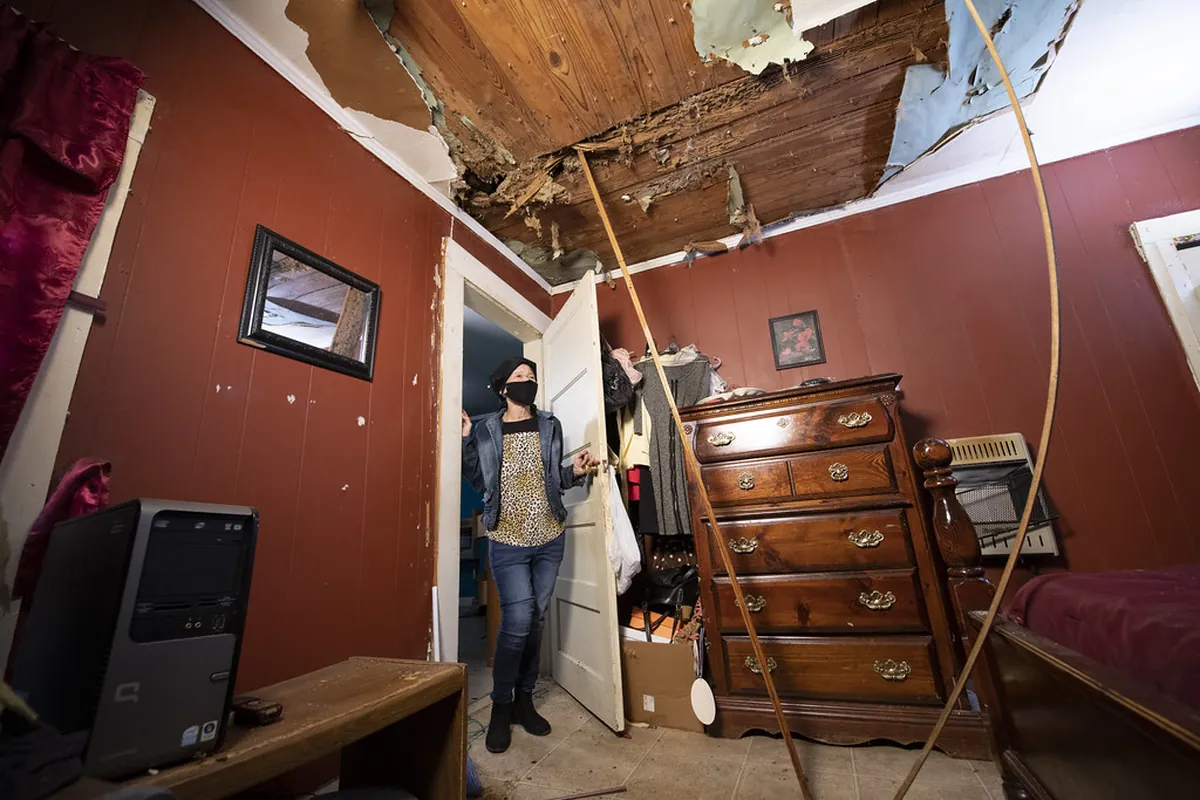
New Jersey winters freeze and thaw over and over, which is ideal for ice dams and burst pipes. Water claims move fast, and the evidence disappears once drying starts.
The first hour
- Shut off the water at the main if a pipe has burst.
- Photograph the source, the ice on the roof and every wet area before anything is moved.
- Call your insurer and a mitigation company.
The first week
- Keep the mitigation company’s moisture readings, drying logs and photos.
- Save damaged materials or samples until the adjuster has seen them, if you can.
- Keep receipts for every expense.
Coverage questions to expect
Insurers will ask whether heat was maintained, whether the leak was sudden or long-term, and whether the home was vacant. Thermostat records, utility bills and service records help answer those questions.
Where estimates fall short
Drying days, demolition height, continuous flooring and access costs are the most common gaps. A complete file makes those items easier to support.