Why trees cause so many New Jersey claims
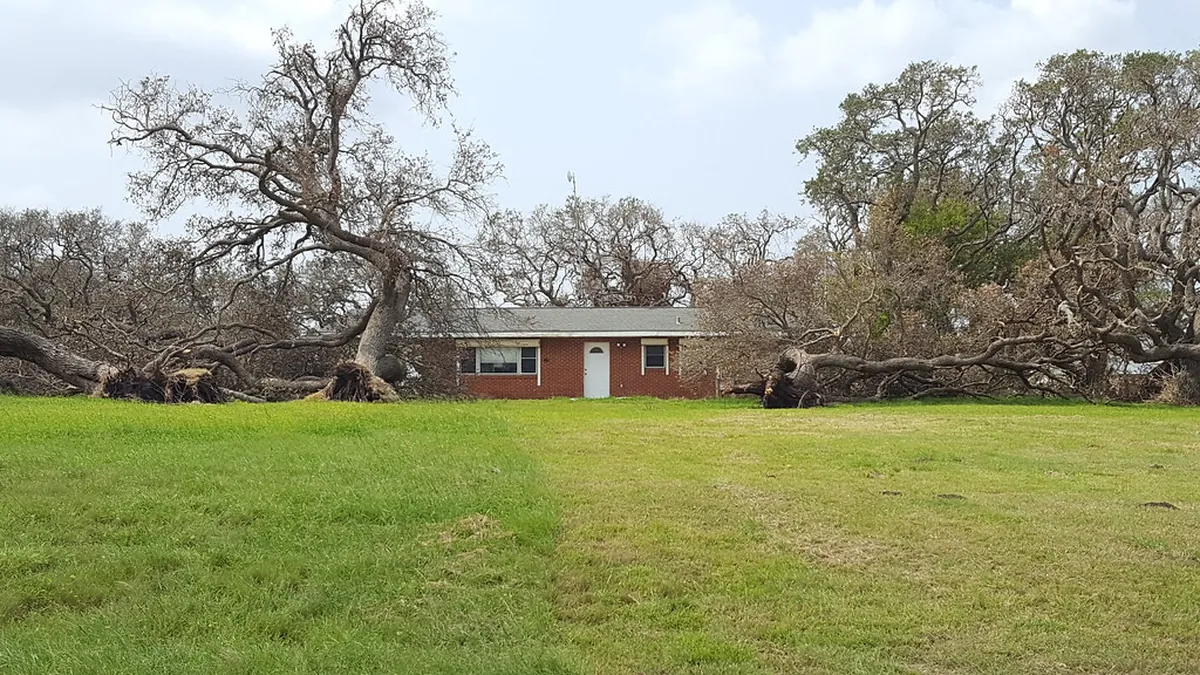
Towns like Maplewood, Montclair, Westfield, Princeton and Haddonfield are known for their tree-lined streets, and many of those trees are now 80 to 100 years old. In late October 2011, an early nor’easter dropped heavy snow on trees still in full leaf. Limbs and trunks fell across North Jersey, and some towns were without power for more than a week. Ice storms, derechos and summer thunderstorms add new tree claims every year.
How tree claims are usually split
Most homeowners policies treat a fallen tree in layers. Damage to the house, garage or fence is part of the dwelling or other-structures claim. Removing the tree from the structure is usually part of that repair. Hauling the tree away from the yard is debris removal, often limited to about $500 per tree and $1,000 per storm, and sometimes only when the tree hit a covered structure or blocked a driveway. These limits vary by form.
Where tree estimates fall short
- Crane, bucket truck and climbing crew costs priced as simple ground work.
- Rafters, trusses and ceiling joists replaced only where they visibly broke.
- Interior water damage that followed the hole in the roof.
- Gutters, siding, decks and fences in the tree’s path left off the scope.
- Debris removal limits applied to work that is really part of the structure repair.
Frequently asked questions
Will my insurance pay to remove a tree that fell in the yard but hit nothing?
Often not, or only to a small limit. Many policies pay debris removal only when the tree damaged a covered structure or blocked a driveway or ramp. Our fallen tree calculator shows how those limits play out.
Why was the crane removal cost cut?
Some estimates price tree removal by the hour for a basic crew. Large trees on a roof often need cranes, rigging and traffic control. Get an itemized bill from the tree service.
Is ice storm damage covered?
Damage from the weight of ice, snow or sleet is commonly a covered peril under homeowners policies, subject to the form’s terms and exclusions.