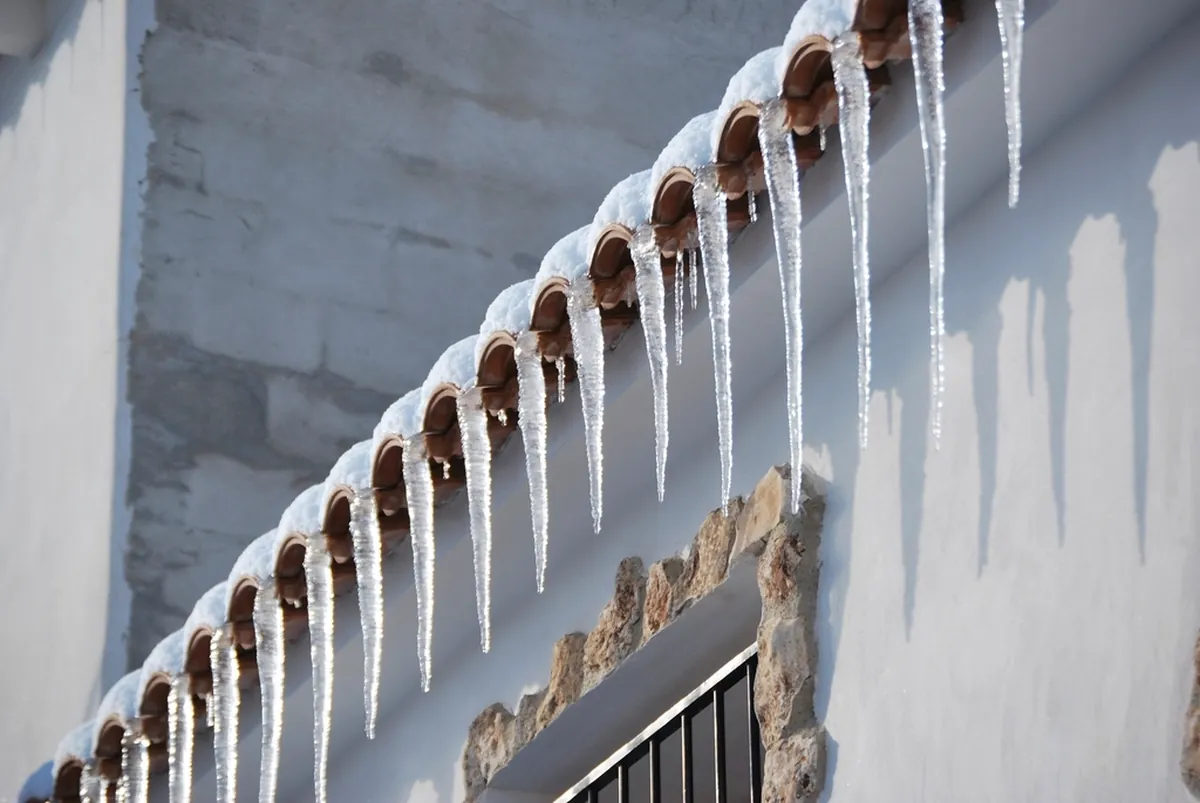
Winter water losses
New Jersey winters swing between thaw and deep freeze. Snow melts on a warm roof, refreezes at the cold eaves and backs water under the shingles into ceilings and walls. Pipes in exterior walls, crawlspaces and unheated garages split during cold snaps. Seasonal homes from Long Beach Island to Cape May sit closed for months, and a small leak can run for weeks before anyone notices.
Where water estimates fall short
- Drying equipment and monitoring days cut below what the moisture readings support.
- Demolition limited to a two-foot flood cut when water wicked higher.
- Cabinets, flooring and trim treated as dryable when they delaminated or swelled.
- Continuous flooring through several rooms priced as a patch.
- Mold remediation capped by a policy sublimit without checking whether the limit really applies.
- Access costs, such as opening and restoring walls to reach the broken pipe, left out.
Policy wording that matters
Water claims are where exclusions do the most work. Policies may exclude repeated seepage over 14 days or more, freezing in a vacant or unheated building unless heat was maintained or the water shut off, and surface water or groundwater. Ice-dam damage is often covered, while the cost of fixing the plumbing itself may not be. We value the covered damage and flag coverage questions so you can take them to the right professional.
Frequently asked questions
Is ice-dam damage covered in New Jersey?
Interior damage from ice dams is commonly covered under homeowners policies, subject to the form’s terms. Removing the ice itself and preventive work may not be. Check your policy and photograph the damage before repairs.
My shore house pipes froze while it was closed for the winter. Am I covered?
It depends on the freezing exclusion in your policy. Many forms cover freezing only if heat was maintained or the water was shut off and the system drained. Keep thermostat, utility and service records.
The mitigation company’s bill was cut. Can appraisal address that?
Often yes, if the dispute is about the reasonable cost of the work. Drying logs, moisture maps and photos are the evidence a panel will want.